THE SCALE
From 9H to 9B
Pencils are made to twenty degrees of hardness, rated for hardness (H) and blackness (B). The softest is 9B and the hardest is 9H.
Check a gradeWHAT THE LETTERS MEAN
Every sketching pencil carries a small code.
H stands for hardness and B for blackness. The scale runs from 9H, the hardest, to 9B, the softest, and it exists because pencil makers learned to mix graphite with clay in different amounts.
H OR B pick your line
THE SHORT ANSWER
Modern pencils come in twenty degrees.
The letters tell you which way each one leans.
THE SCALE
Pencils are made to twenty degrees of hardness, rated for hardness (H) and blackness (B). The softest is 9B and the hardest is 9H.
Check a gradeTHE CORE
The core is graphite, a form of carbon, mixed with clay and fired. Varying the graphite-to-clay ratio varies the hardness.
See the datesTHE SOURCE
The Seathwaite mine in Borrowdale, England, was once the world's leading supplier of graphite, known locally as wad.
Read the storyA QUICK GRADE CHECK
Pick a part of the pencil scale to see what the letters mean. The bar shows how hard the lead is.
Based on EBSCO Research Starters, Pencil (2022), and History of Information on Conté's 1795 method.
TWO NUMBERS WORTH KNOWING
The first pencil reference,
and the grades we use now.
1565
Earliest reference to graphite in pencils
Graphite from Seathwaite in Cumberland had long been used locally for marking sheep. The earliest reference to using it in what we would now call pencils dates from 1565.
FIRST REFERENCE · CUMBRIA COUNTY HISTORY TRUST
20 grades
Degrees of lead hardness made today
Modern pencils are rated for hardness (H) and blackness (B), from 9H, the hardest, to 9B, the softest.
THE SCALE · EBSCO RESEARCH STARTERS
In 1795 Nicolas-Jacques Conté mixed powdered graphite with clay, formed it into rods and fired them in a kiln. Varying the ratio changed the hardness, a method still in use.
FOUR WAYS TO USE THE SCALE
You do not need a full set of twenty. A few pencils from different parts of the scale show what the letters mean on paper.
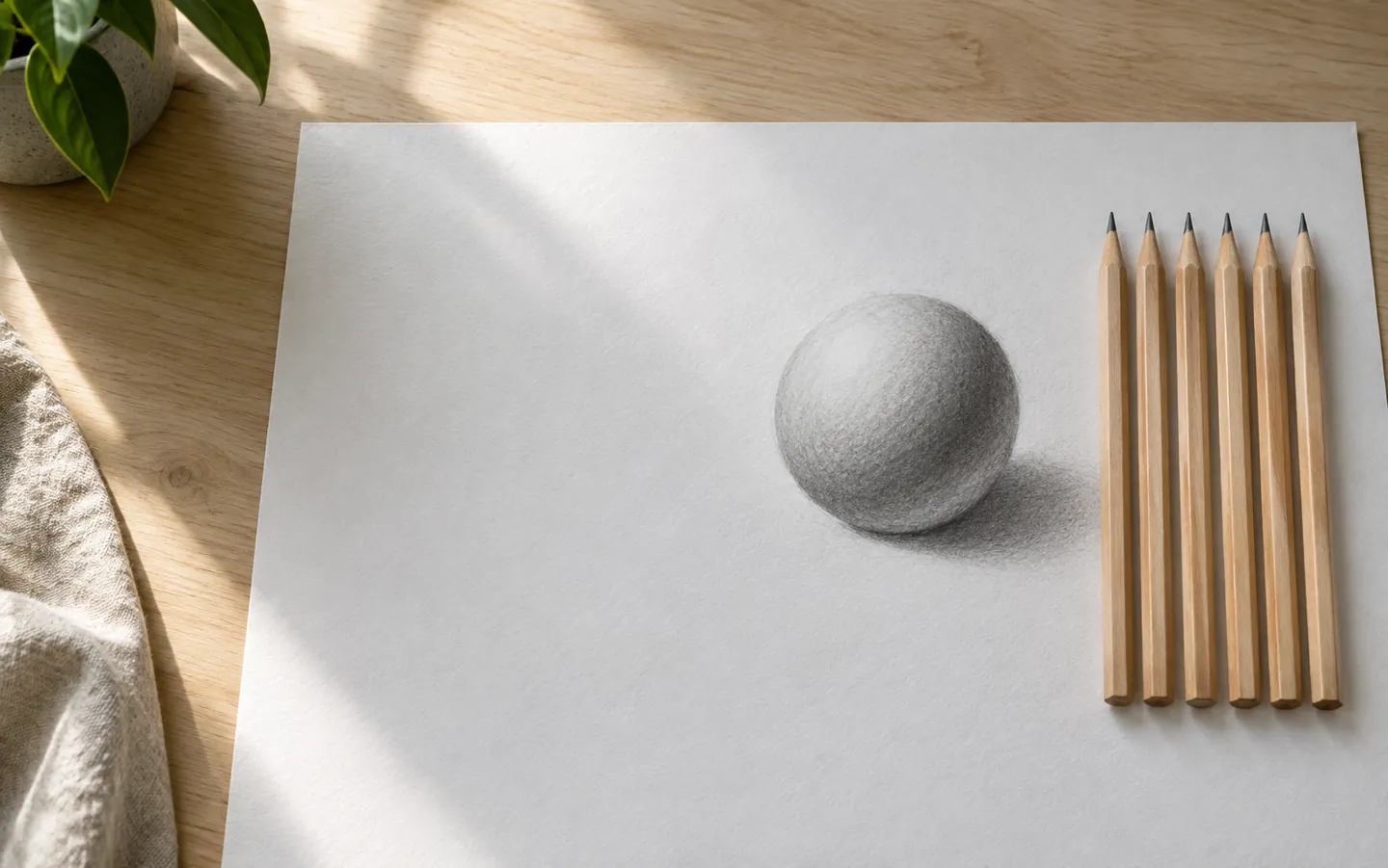
Shade a small square with each pencil you own, side by side, and label it. You will see the range from H to B at once.
H grades lean toward hardness and B grades toward blackness. Your strip shows how each one looks on your own paper.
Soft leads are the ones commonly used by artists. Try one for the darkest parts of a sketch.
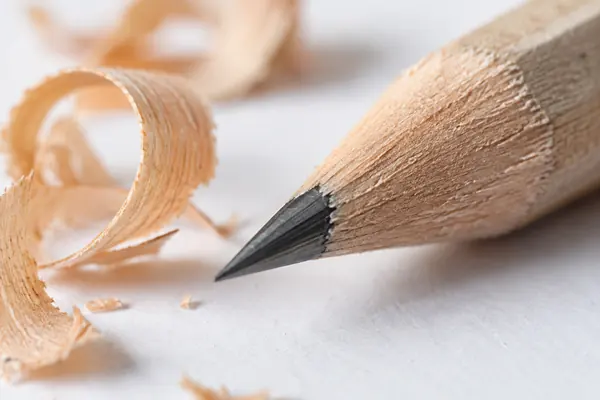
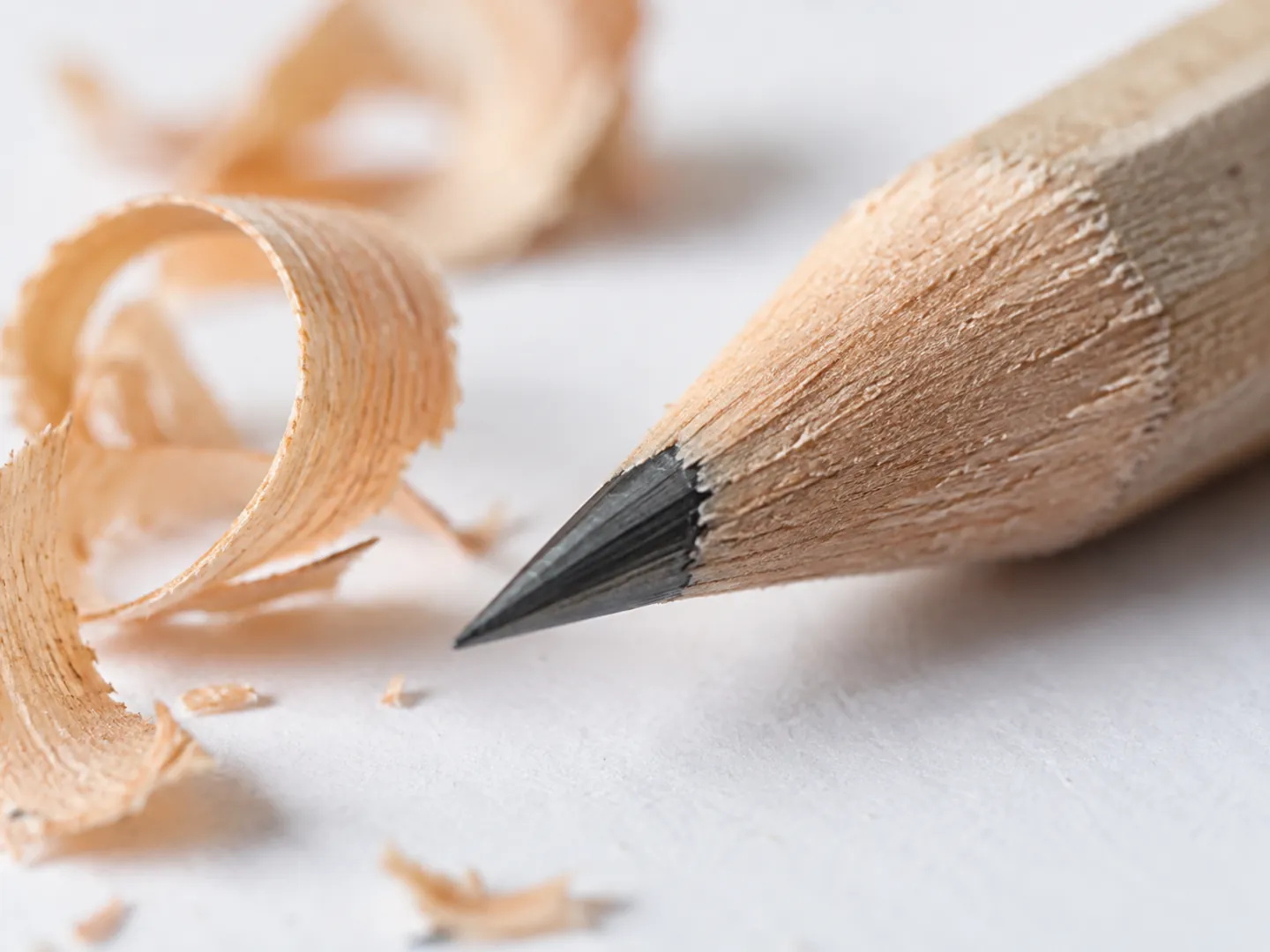
Sharpen a pencil and look at the tip: the dark center is graphite and clay, set in a wooden case.
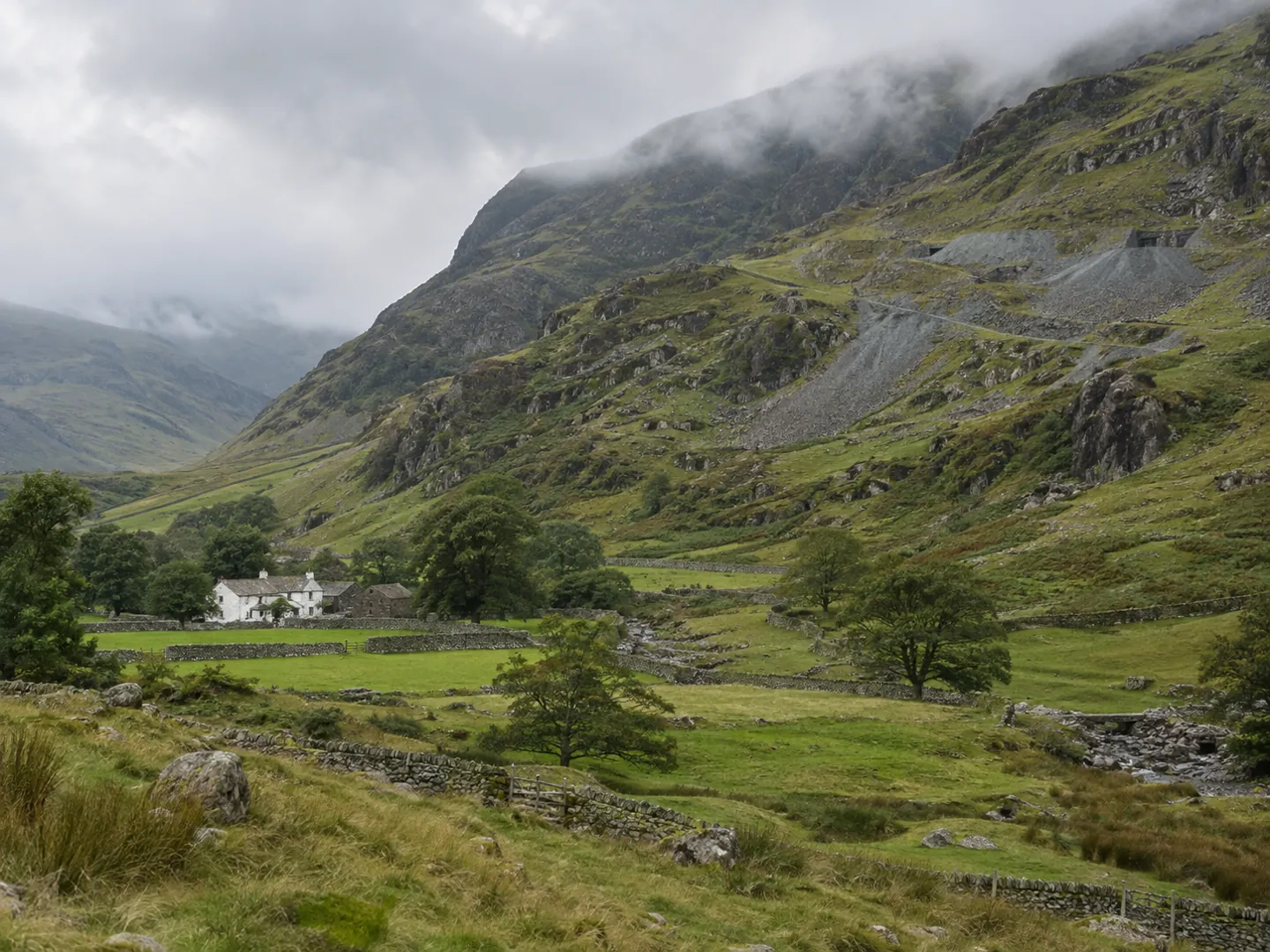
THE BORROWDALE WAD
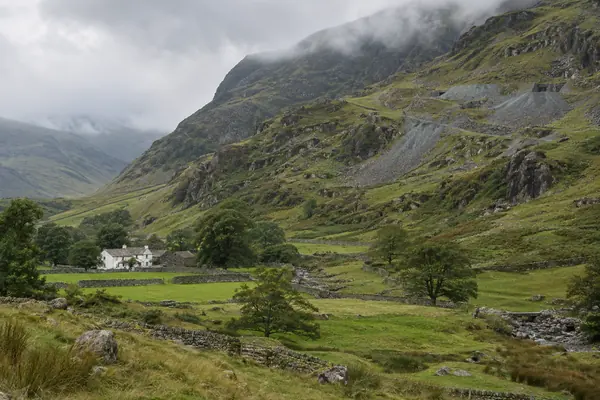
At Seathwaite, at the head of Borrowdale in Cumbria, England, a rare pure form of graphite was found. Locals called it wad and used it to mark sheep, until its value for casting molds and for writing was realized in the 16th century.
In the 17th century the mine was worked only for short periods to keep supplies short and prices high, yet it became the world's leading supplier. The seams eventually ran out and the mines closed in the 19th century.
Questions
H stands for hardness and B for blackness. Modern pencils are made to twenty degrees, from 9H, the hardest, to 9B, the softest.
No. The core is graphite, a form of carbon, mixed with clay. The name lingers because graphite looks like lead, and was once called black lead.
Pure graphite is soft and brittle. In 1795 Nicolas-Jacques Conté mixed it with clay and fired the rods in a kiln; varying the ratio of graphite to clay varied the hardness.
Some of the earliest came from Seathwaite in Borrowdale, Cumberland, once the world's leading supplier. The earliest reference to graphite in pencils dates from 1565.
According to EBSCO Research Starters, the oldest known pencil dates to at least 1630: a piece of wood with a slot along its length holding a wide piece of graphite.
Sources
ABOUT THIS NAME
idoodlesketch.com is part of the DoodleSale portfolio. It isn't in an auction right now, but you can ask about leasing it.